柔の道
Kanō and the Kōdōkan: judo out of jūjutsu
Judo exists because Jigorō Kanō made jūjutsu safe to train hard. In 1882 he took the old close-combat schools he had studied and rebuilt them into an art a student could practice at full effort without getting hurt, and that single reform is why judo outlasted the schools it grew from. Kanō was an unlikely reformer. Born in 1860 into a well-off family, he was small, studious, and by his own account bullied enough as a young man to go looking for a way to handle larger opponents.
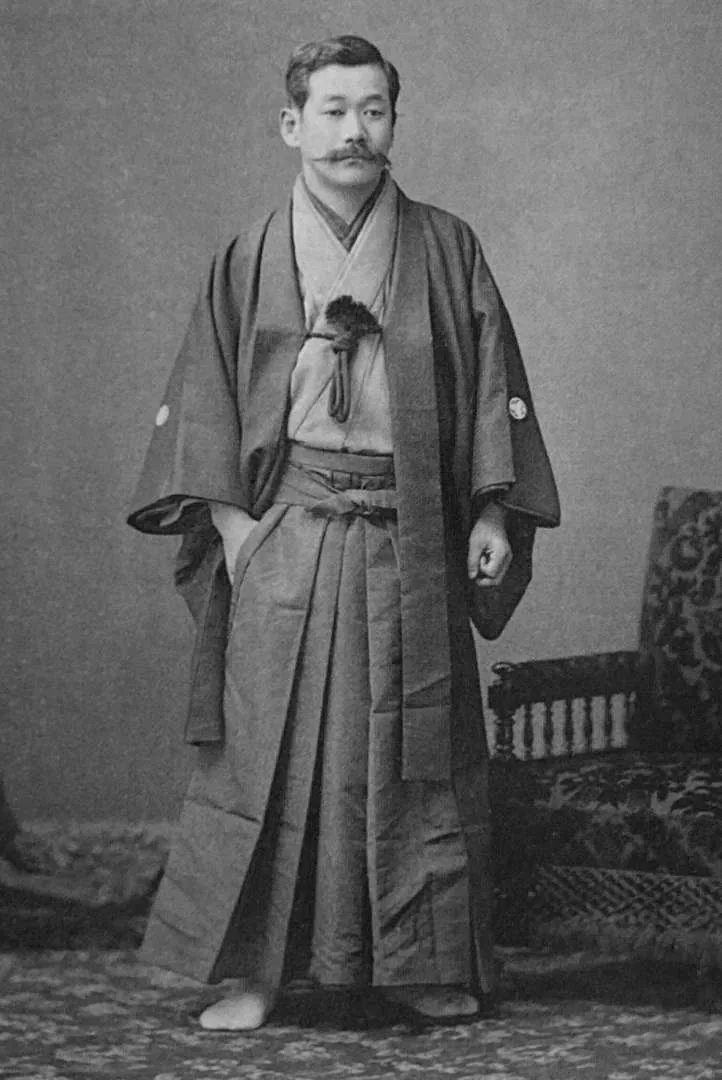
A student of the dying schools
Kanō came to jūjutsu late and as an outsider to its world. He trained first in Tenjin Shin'yō-ryū under teachers who had learned their craft in the last years before it mattered, and later in Kitō-ryū, a school built around throwing and the breaking of balance. This was the late 1870s and the first years of the 1880s, and the old schools were fading. Meiji Japan was modernizing fast, the new government was dismantling the samurai class that had carried the ryūha, and a young man could watch a living tradition thin out around him. Kanō studied it the way you study something you are afraid will disappear.
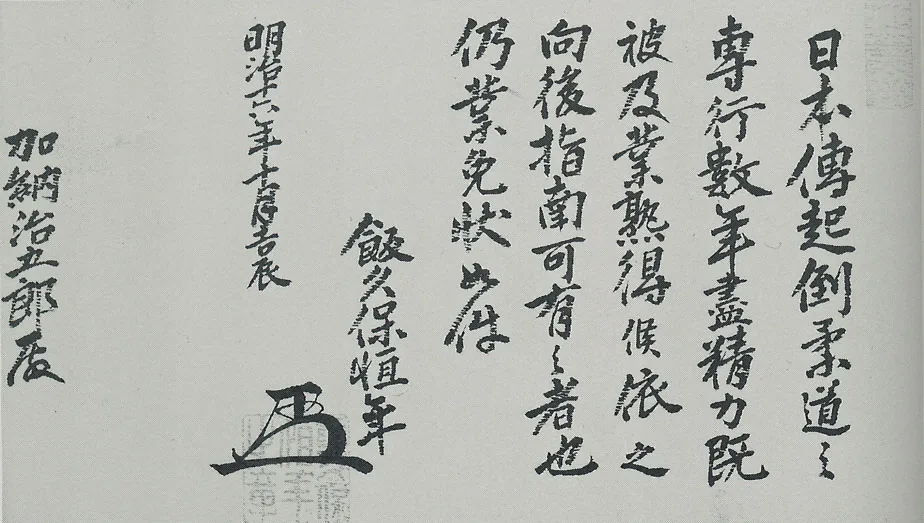
How Kanō made judo safe to train live
In 1882, at twenty-one, he took nine students into a room at Eishō-ji, a Buddhist temple in Tokyo, onto a floor of twelve tatami mats. He called the place the Kōdōkan, the school for studying the way. What he taught there was assembled from the schools he had trained in, but reorganized around a single idea: strip out the techniques too dangerous to practice, keep the ones a student could apply at full speed against a resisting partner, and drill those live. He called this free practice 乱取り (randori), and it was the quiet revolution. He preserved the most dangerous strikes and locks separately as 形 (kata), prearranged forms to be studied rather than fought. What remained could be trained hard, every day, without breaking the people training it.
He named the whole thing 柔道 (jūdō), the gentle way, and in time set two principles under it, put into words in 1922: 精力善用 (seiryoku zen'yō), maximum efficient use of energy, and 自他共栄 (jita kyōei), mutual benefit and prosperity. He treated the old art as education as much as combat, a discipline meant to build the person practicing it and not only to teach him to fight.
The tournament that made the name
The popular story of how judo won its place turns on a single event: a tournament around 1886 hosted by the Tokyo police, where Kōdōkan men are said to have faced the established jūjutsu schools and won nearly every match, settling the question of which art was superior. Something like that did happen, and Kanō's students did compete well against older schools, which helped the police adopt judo for training. But the clean, decisive version is more legend than record. The Kōdōkan itself kept no clear account of it, the surviving sources disagree, and the tidy tale of total victory grew in the retelling. What is solid is the outcome: within a few years judo was the art the institutions of modern Japan chose, and the schools it grew from began to fade behind it.
That victory is why the art survived to travel at all. When it left Japan, it left in the hands of Kanō's students, carrying his system and his name for it. One of those students, a restless young fighter who would not stay home, is where the story turns toward Brazil.
This is a beginner's journal, not instruction. Nothing here is training, health, or medical advice. Learn from a qualified coach, and tap early. Disclaimer