柔の道
Where jiu-jitsu actually comes from
Jiu-jitsu (柔術, jūjutsu, "the gentle art") is a grappling martial art built on controlling and submitting an opponent on the ground rather than striking. It descends from the close-combat schools of samurai-era Japan, was reorganized into judo by Jigorō Kanō in 1882, and became Brazilian jiu-jitsu after Mitsuyo Maeda carried it to Brazil in 1914.
If you want the art before its history, what Brazilian jiu-jitsu is explains a class, the rules and how it differs from judo.
Jiu-jitsu comes from Japanese jūjutsu, the close-combat schools of old Japan. Jigorō Kanō reorganized that inheritance into judo in 1882, and a generation later Mitsuyo Maeda carried it across the ocean to Brazil. That is the honest outline. The popular version compresses it onto a poster: a Japanese master taught a Brazilian family, the family proved the art in the ring, and the world learned to grapple. The real history is older, more crowded, and in several places genuinely contested. This series tells the longer version, not because the short one is a lie, but because the long one is closer to the record, and far more interesting.
The art was old before it reached Brazil
Jiu-jitsu did not begin with one family or one fighter. Its techniques descend from 柔術 (jūjutsu), the close-combat methods of feudal and Edo-period Japan, which lived in many separate schools rather than a single tradition. In 1882 Jigorō Kanō reorganized that inheritance into 柔道 (jūdō) at his Kōdōkan in Tokyo, keeping the throws and the groundwork while building a system a student could drill safely and pressure-test in practice. The ground fighting that Brazil would later make famous, the holds and chokes and joint locks worked from the floor, already lived inside that early judo.
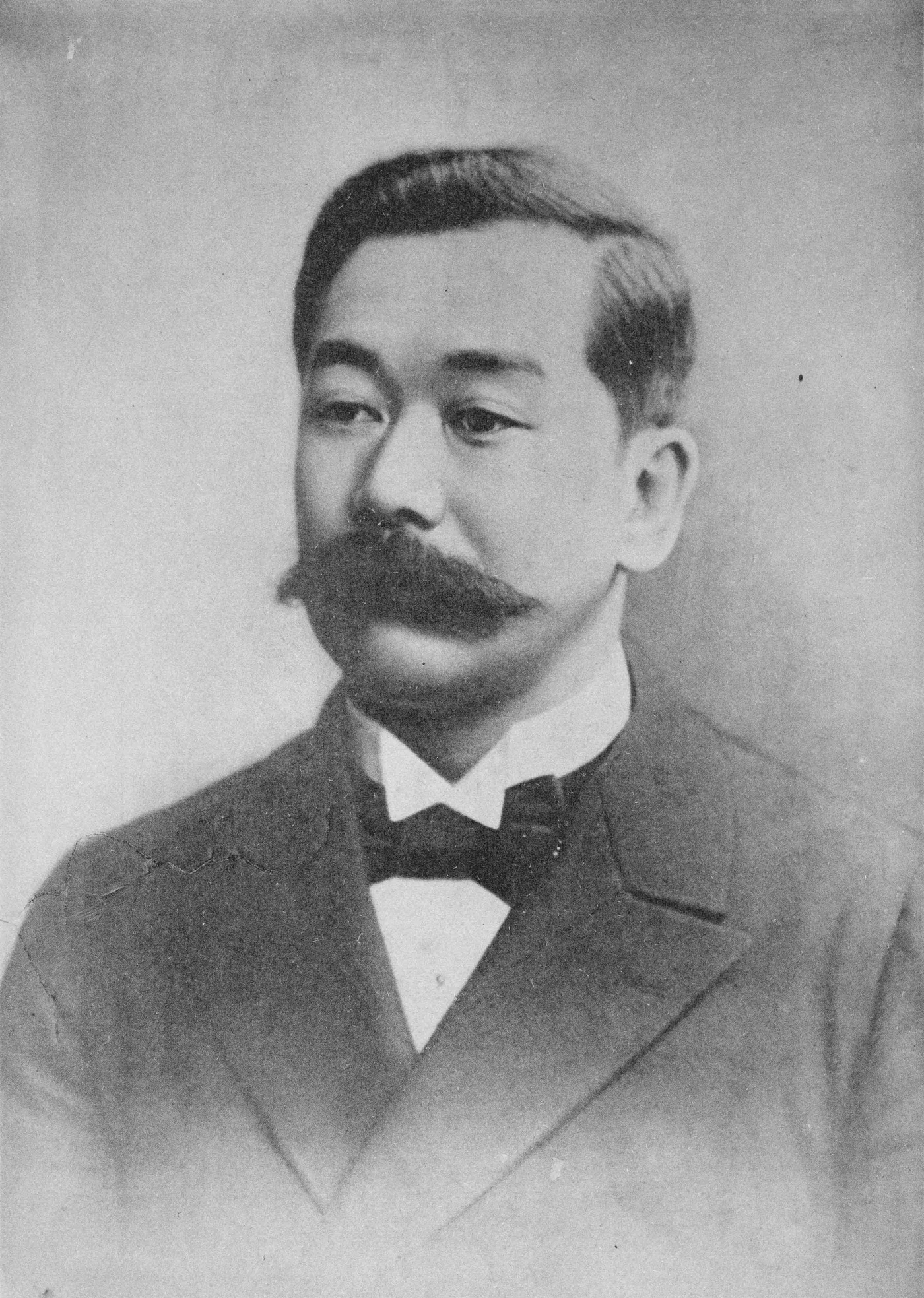
Maeda taught more than the Gracie family
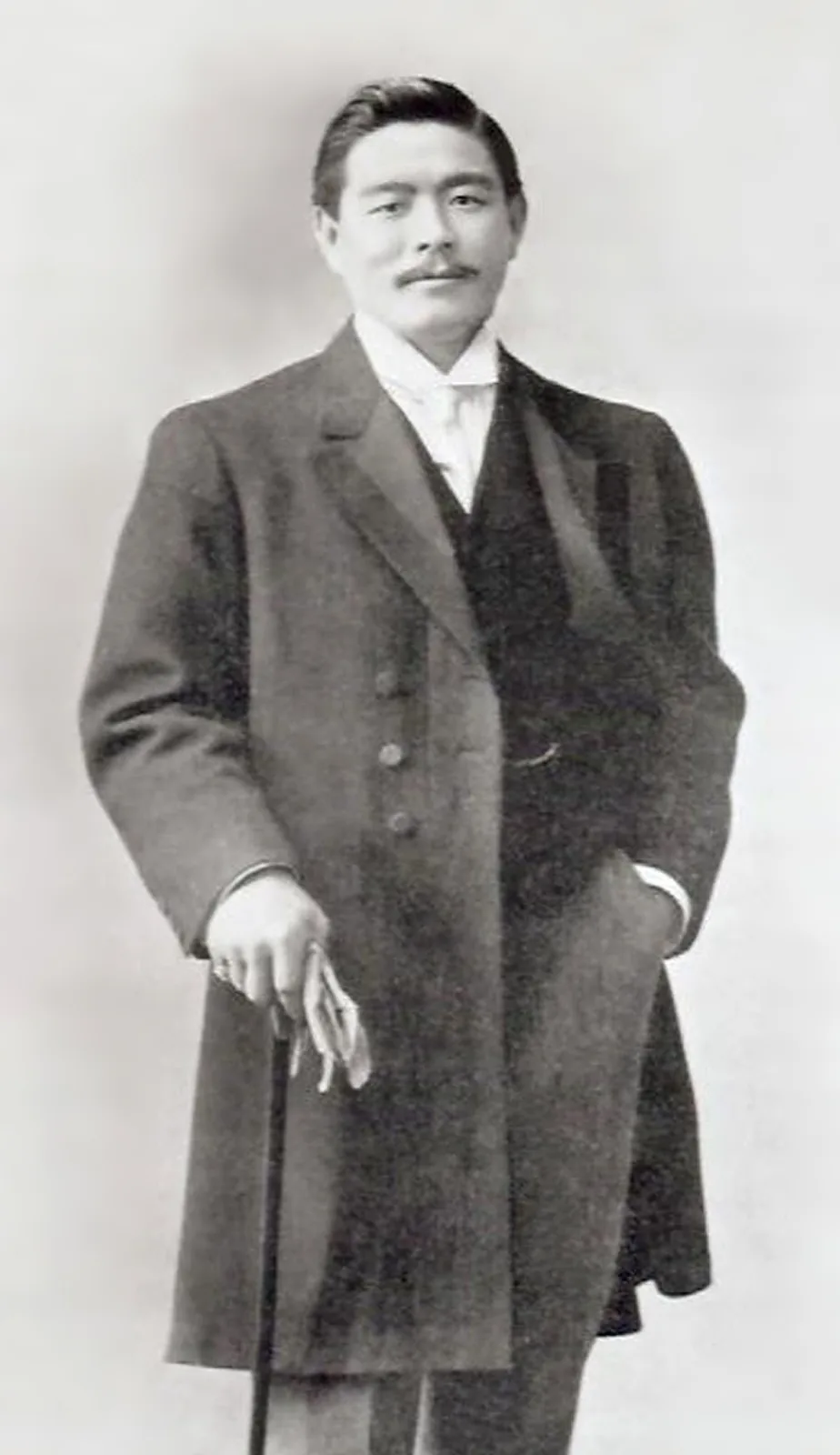
The man who carried the art across the ocean was Mitsuyo Maeda, a Kōdōkan judoka who spent years as a traveling prizefighter under the name Conde Koma before he settled in Brazil. Maeda taught and shaped more than one line of Brazilian students. One became the Gracie family, who built an academy and a name that eventually reached the world. Another, by the usual account, ran from Luiz França to Oswaldo Fadda, who taught working-class students for little or nothing in modest gyms and on the sand in the north of Rio de Janeiro, and whose fighters met the Gracie academy in famous team challenges in 1955 and 1956. The famous branch is real and earned. It was never the only one.
Some of the record is honestly uncertain
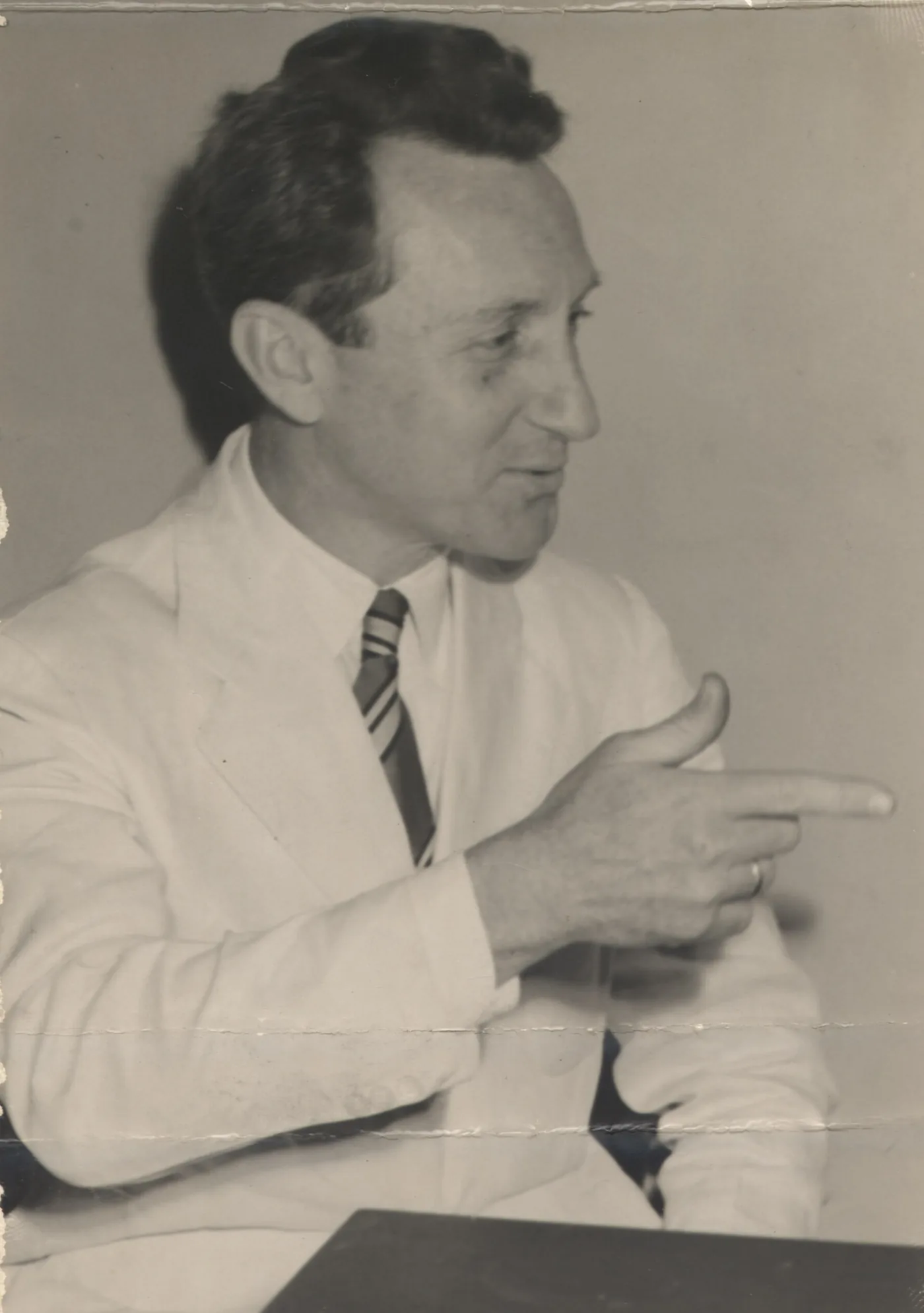
The early Brazilian chapter is harder to pin down than the poster suggests. How much Carlos Gracie, the eldest brother, learned directly from Maeda rather than from Maeda's Brazilian assistants is a question historians still work on, and the surviving documents point in more than one direction. This series treats those questions in the open. Where the family's account and the written record disagree, it says so, marks what is known apart from what is not, and leaves the uncertainty standing rather than smoothing it into a cleaner story than the facts support.
What this series is
It is a history told era by era: from the Japanese schools through Kanō, across the ocean with Maeda, into the Brazilian branches, the vale tudo years, the move abroad, and the night in 1993 that put the art in front of the world. It credits the Gracie family for what they actually did, which was a great deal: they fought, they taught, they organized, and they carried a regional art onto a global stage. It also returns the names the short version tends to drop. It rests on the people who did the archival work rather than on repetition, and every load-bearing claim carries a source a reader can check.
The poster is not wrong so much as small. The real story is bigger, and it has room for everyone who built it.
This is a beginner's journal, not instruction. Nothing here is training, health, or medical advice. Learn from a qualified coach, and tap early. Disclaimer