柔の道
Before judo: the many schools of jūjutsu
Jūjutsu (柔術) is the family of unarmed and lightly armed grappling schools that developed in Japan from the 16th century, taught in named ryū, schools with their own techniques and lineages. Judo was distilled from several of them by Jigorō Kanō in 1882, and Brazilian jiu-jitsu descends from that judo, so every modern jiu-jitsu lineage runs back through one of these schools.
The popular image of where jūjutsu began is a samurai on a battlefield, wrestling an armored enemy to the ground. That image is not wrong so much as late and narrow. By the time the art had a name and a settled shape, Japan had been at peace for generations, and what grew was not one battlefield skill but hundreds of separate schools, as concerned with policing a city and protecting a merchant as with anything a war required.
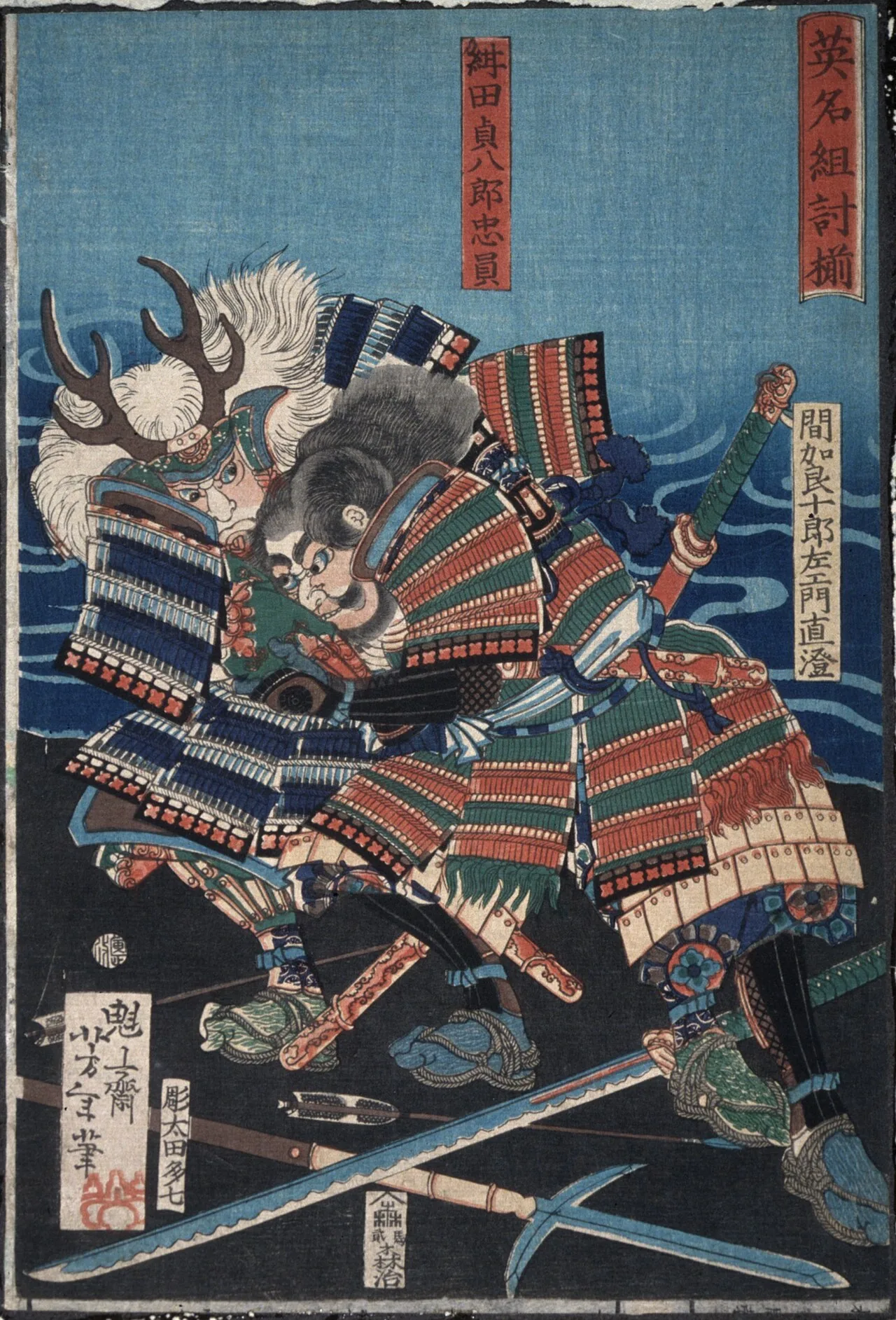
Not one art, but a thousand schools
There was never a single thing called jūjutsu. 柔術 (jūjutsu) is a family name for a sprawl of separate lineages, each one a 流派 (ryūha) with its own founder, techniques, and guarded secrets. One of the earliest that can be documented, Takenouchi-ryū, dates to 1532 and already taught grappling, joint locks, and the use of small weapons. From roots like that the schools multiplied. By the end of the Tokugawa period in 1868, by some counts as many as two thousand of them existed across Japan, teaching methods that overlapped and competed, each school guarding its own differences jealously.
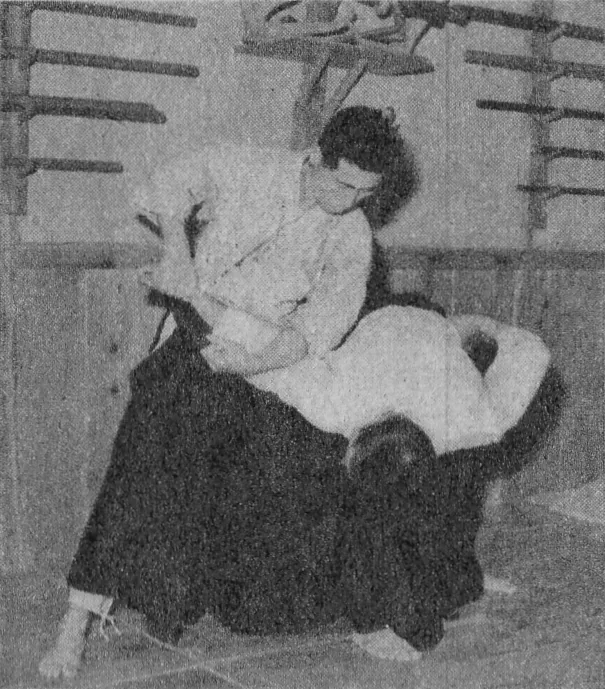
A peacetime art, not a battlefield one
The multiplying happened during the Edo period, the two and a half centuries of peace under the Tokugawa shoguns from 1603 to 1868. Grappling in armor had belonged to the earlier age of civil war. A country that had stopped fighting wars needed something else: ways for a mostly unarmed population to handle a mostly unarmed threat. A great deal of jūjutsu was, in plain terms, police work. Schools specialized in 捕手 (torite), the art of seizing and controlling a person, and 捕縛 (hobaku), the art of binding one, so a constable could take a suspect alive instead of killing him. The craft the West would later imagine as the deadly secret of warriors was, for most of its life, the practical work of arresting a drunk without drawing a blade.
The name that means yielding
The word carries the idea. The 柔 (jū) in jūjutsu, read on its own as yawara, does not mean strength. It means softness, pliancy, giving way. The principle is to borrow an opponent's force and redirect it rather than meet it head on, and Edo-period schools reached for names like jūjutsu and yawara partly to signal that their methods were not merely brutal. It is the same character, and the same idea, that this site takes its name from. Long before anyone stitched it onto a belt, it was a claim: that a smaller, calmer person could handle a larger, angrier one.
The schools that shaped judo: Kitō-ryū and Tenjin Shin'yō-ryū
Out of the crowd, a few lineages would shape everything that came after. Kitō-ryū taught throwing and the breaking of balance, a softer and more principle-minded style. Tenjin Shin'yō-ryū, founded in the 1830s, blended striking with close grappling. Neither was famous much beyond its own students. But in the 1870s a bookish, physically slight young man named Jigorō Kanō would enroll in one and then the other, looking for something the crowded old world of the ryūha had not quite named. What he did with it is the next chapter.
The battlefield was real, but it was only the beginning of the beginning. The art that eventually crossed the ocean to Brazil did not come down from a single warrior. It came out of a crowded, peaceable tradition of many hands, most of them belonging to people whose names are lost.
This is a beginner's journal, not instruction. Nothing here is training, health, or medical advice. Learn from a qualified coach, and tap early. Disclaimer